Preventing Falls: Simple Steps that Protect Independence as You Age
May 15, 2026
Preventing falls: simple steps that protect independence as you age
One fall can change daily life in an instant.
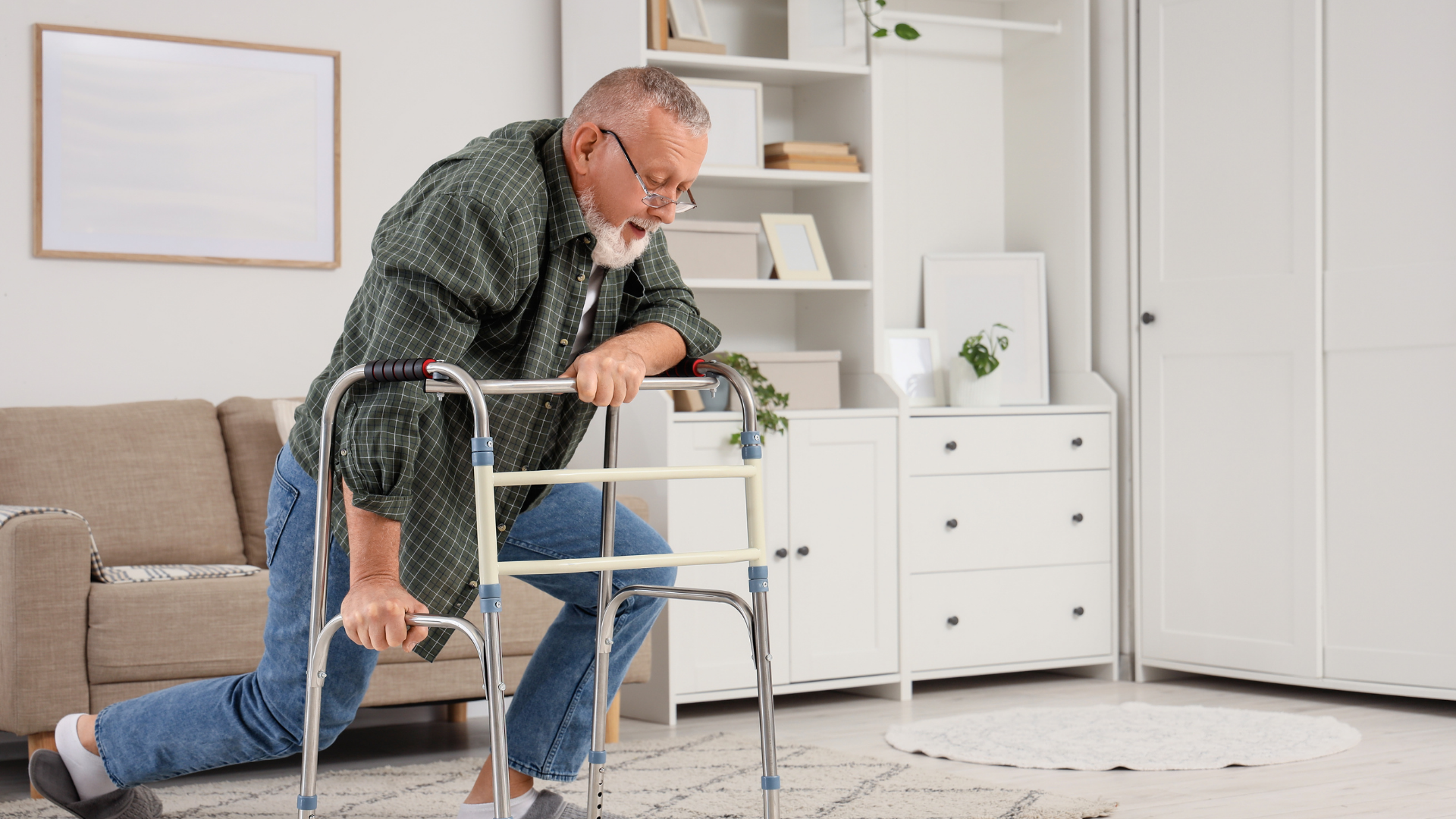
A quick stumble that once caused little more than a bruise can become far more serious with age. Falls are one of the leading causes of injury among older adults, often affecting mobility, confidence, and long-term independence.
Many people begin avoiding activities they once enjoyed after experiencing a fall. Some become less active out of fear, which can gradually weaken muscles and increase the risk of falling again.
But here’s what many people don’t realize: falls are not a normal part of aging.
Most falls are preventable. Small lifestyle changes, better awareness, and safer environments can make a major difference in protecting strength, balance, and independence over time.
At PrimeSpan, healthy aging means helping adults stay active, capable, and confident in everyday life. Fall prevention is an important part of that journey.
Why fall risk increases with age
Aging naturally brings physical changes that can affect balance and coordination. Muscle strength may decline, reaction time can slow, and vision changes may make obstacles harder to notice.
Certain health conditions and medications can also increase the risk of falling.
Common risk factors include:
-
Muscle weakness
-
Poor balance or coordination
-
Vision problems
-
Chronic conditions like arthritis or diabetes
-
Medication side effects
-
Cluttered or poorly lit spaces
-
Slippery floors or loose rugs
-
Rushing through daily activities
The Administration for Community Living (ACL) Falls Prevention Campaign continues to raise awareness about how preventive steps can help older adults stay independent and reduce fall-related injuries.
Staying active helps protect balance and mobility
Movement is one of the most effective ways to lower fall risk.
Regular physical activity helps maintain:
-
Muscle strength
-
Joint flexibility
-
Coordination
-
Balance
-
Stability
-
Reaction time
You don’t need an intense fitness routine to benefit. Consistent movement matters more than perfection.
Activities that support healthy aging include:
-
Walking
-
Stretching
-
Gardening
-
Tai chi
-
Light resistance training
-
Low-impact exercise classes
Even a short daily walk can help improve circulation, strengthen muscles, and support balance over time.
Staying active also builds confidence. The more stable and capable your body feels, the less likely you are to limit movement out of fear.
Chronic health conditions can affect stability
Many chronic conditions impact balance, energy, and mobility in ways people may not immediately notice.
Conditions linked to increased fall risk include:
-
Type 2 Diabetes
-
Osteoarthritis
-
High blood pressure
-
Depression
-
Obesity
Managing these conditions consistently can help reduce complications that contribute to falls.
That may include:
-
Taking medications as prescribed
-
Attending regular medical appointments
-
Maintaining healthy blood sugar and blood pressure levels
-
Following a balanced diet
-
Staying physically active
Overall health plays a major role in maintaining independence as we age.
Some medications may increase fall risk
Medication side effects are often overlooked when discussing falls.
Certain medications may cause:
-
Dizziness
-
Drowsiness
-
Fatigue
-
Blurred vision
-
Slower reflexes
These effects can increase the chance of losing balance or tripping.
Medications commonly associated with higher fall risk include:
-
Sedatives
-
Sleep aids
-
Some anxiety medications
-
Certain blood pressure medications
-
Diuretics
Reviewing medications regularly with a healthcare provider can help identify combinations or dosages that may affect stability.
This includes prescription medications, supplements, and over-the-counter products.
Vision changes matter more than many people realize
Good vision plays a critical role in balance and navigation.
Age-related vision changes may make it harder to notice:
-
Uneven flooring
-
Steps
-
Curbs
-
Clutter
-
Low lighting
Routine eye exams can help detect and manage conditions such as:
-
Cataracts
-
Glaucoma
Updating prescriptions and addressing vision concerns early can improve both safety and confidence.
A safer home can significantly reduce falls
Many falls happen at home during everyday activities.
The encouraging part is that many home hazards are easy to fix once identified.
Simple adjustments include:
-
Installing grab bars in bathrooms
-
Adding handrails to stairways
-
Improving indoor and outdoor lighting
-
Removing loose rugs
-
Keeping walkways clear of clutter
-
Using non-slip mats in wet areas
-
Storing frequently used items within easy reach
Sometimes it helps to ask a family member or friend to walk through the home and identify hazards that may go unnoticed.
Small environmental changes can create a safer and more comfortable living space without major renovations.
Fall prevention supports confidence and independence
Preventing falls isn’t only about avoiding injuries.
It’s about protecting quality of life.
Maintaining balance and mobility helps older adults continue:
-
Living independently
-
Staying socially connected
-
Enjoying hobbies and activities
-
Managing daily routines confidently
-
Remaining physically active
Fear of falling can sometimes become just as limiting as a fall itself. Taking preventive steps helps build confidence while supporting long-term wellness.
The ACL Falls Prevention Campaign offers additional education and resources designed to help older adults and caregivers create safer habits and environments.
Healthy aging starts with proactive choices
Healthy aging is not about avoiding activity—it’s about staying strong enough to keep doing the things you love safely and confidently.
Small daily habits can have a lasting impact:
-
Staying active
-
Monitoring health conditions
-
Reviewing medications
-
Scheduling eye exams
-
Creating a safer home environment
At PrimeSpan, we believe prevention plays a powerful role in healthy aging. Protecting mobility, balance, and independence today can help support a healthier, more active future tomorrow.
Need more help
Lorem ipsum dolor sit amet, consectetur adipiscing elit. Cras sed sapien quam. Sed dapibus est id enim facilisis, at posuere turpis adipiscing. Quisque sit amet dui dui.
Get weekly leadership strategies
Join our mailing list to receive the latest news and updates from our team.
Don't worry, your information will not be shared.
We hate SPAM. We will never sell your information, for any reason.