The Truth About Healthy Aging in the Modern World
Jun 03, 2026Aging is inevitable. How we age is not.
For many years, aging was often associated with slowing down, losing independence, or managing an increasing number of health issues. But advances in health science have changed the conversation. Today, healthy aging is less about adding years to your life and more about adding life to your years.
The goal is not simply to live longer. It is to stay active, independent, mentally sharp, and engaged in the activities and relationships that matter most.
At PrimeSpan, we believe healthy aging is about creating habits that help you enjoy more good years—physically, mentally, and socially.
Healthy aging is more than avoiding disease
Many people assume healthy aging means not getting sick. While preventing illness is important, true healthy aging goes much further.
The World Health Organization defines healthy aging as developing and maintaining the abilities that allow people to be and do what they value throughout life.
In practical terms, that means being able to:
- Move comfortably and confidently
- Maintain independence in daily activities
- Stay mentally engaged and emotionally resilient
- Build and maintain meaningful relationships
- Continue pursuing hobbies, goals, and interests
- Adapt to life’s changes without losing quality of life
Healthy aging is about preserving function, not chasing perfection.
Why healthy aging matters now more than ever
People are living longer than previous generations. According to the World Health Organization, the number of people aged 60 and older continues to grow worldwide.
Longer life expectancy is a tremendous achievement. However, longevity alone does not guarantee wellbeing.
Many adults spend their later years managing preventable chronic conditions such as:
- Heart disease
- Type 2 diabetes
- Obesity
- Osteoarthritis
- Osteoporosis
- Cognitive decline
The encouraging news is that many factors influencing these conditions can be improved through lifestyle choices and proactive support.
Research consistently shows that regular physical activity, nutritious eating, quality sleep, stress management, and strong social connections can significantly improve health outcomes as we age.
The five pillars of healthy aging
Healthy aging is not built on a single supplement, exercise routine, or medical treatment. It is the result of multiple lifestyle factors working together.
1. Staying physically active
Movement remains one of the most powerful tools for maintaining health and independence.
Regular exercise can help:
- Preserve muscle mass and strength
- Improve balance and coordination
- Support heart health
- Maintain healthy weight
- Reduce the risk of falls
- Improve mood and energy levels
You do not need intense workouts to see benefits.
Activities such as:
- Walking
- Swimming
- Cycling
- Resistance training
- Yoga
- Stretching exercises
can all contribute to better mobility and overall health.
Consistency matters more than intensity.

2. Nourishing your body properly
Nutrition needs change with age.
As we get older, maintaining muscle mass, supporting bone health, and managing inflammation become increasingly important.
A healthy aging diet typically emphasizes:
- Lean protein sources
- Fruits and vegetables
- Whole grains
- Healthy fats
- Adequate hydration
- Foods rich in calcium and vitamin D
At the same time, reducing excessive sugar, highly processed foods, and excessive alcohol intake can support long-term health.
Small dietary improvements practiced consistently often produce meaningful results over time.

3. Prioritizing quality sleep
Sleep affects nearly every aspect of health.
Poor sleep can influence:
- Memory
- Immune function
- Mood
- Blood sugar regulation
- Heart health
- Recovery from physical activity
Many adults experience sleep changes as they age, but poor sleep should not be accepted as a normal part of growing older.
Healthy sleep habits include:
- Maintaining a consistent sleep schedule
- Limiting screen exposure before bed
- Staying physically active during the day
- Creating a comfortable sleep environment
Better sleep often leads to better health outcomes across multiple areas of life.

4. Supporting brain health
Healthy aging includes maintaining cognitive function and mental wellbeing.
Keeping the brain active can involve:
- Learning new skills
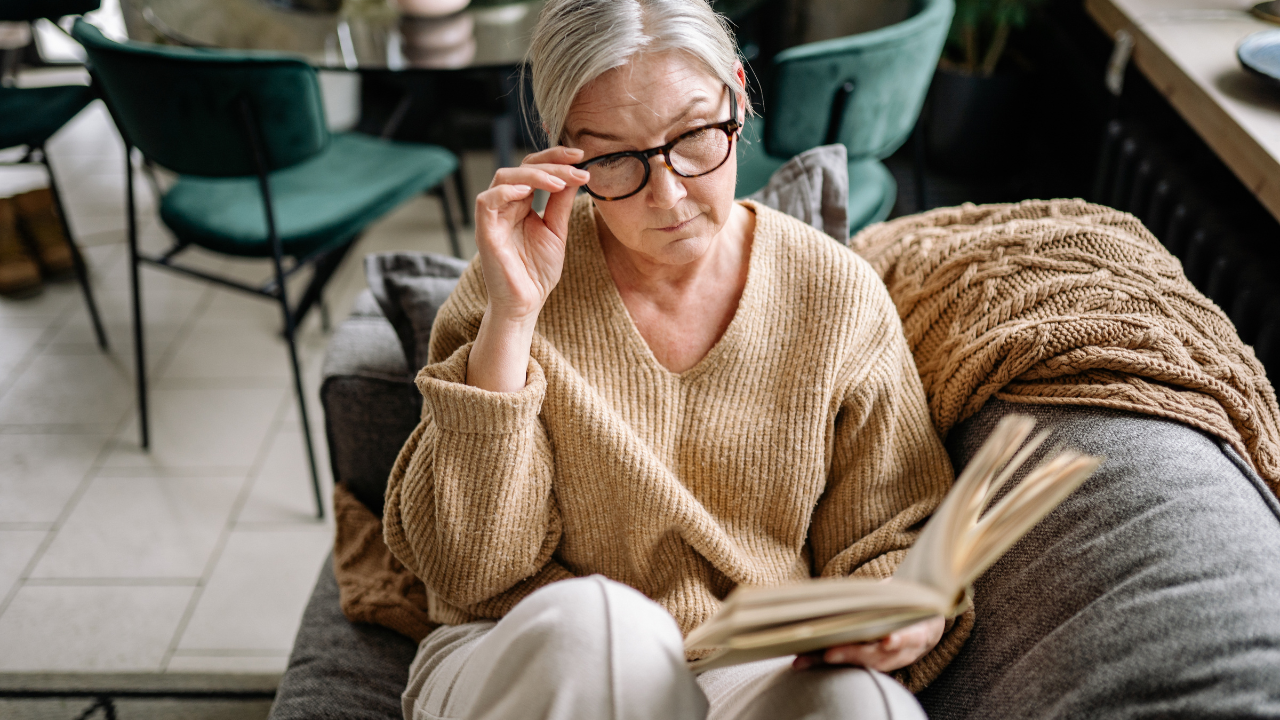
- Reading regularly
- Solving puzzles and challenges
- Engaging in meaningful conversations
- Continuing education and personal growth
Physical activity also supports brain health by improving blood flow and reducing risk factors associated with cognitive decline.
Mental stimulation and lifelong learning help keep the mind engaged and adaptable.
5. Staying socially connected
Human connection plays a major role in healthy aging.
Strong social relationships are associated with:
- Better emotional health
- Lower rates of depression
- Improved cognitive function
- Greater resilience during life transitions
- Higher overall life satisfaction
Social wellness can come from:
- Family relationships
- Friendships
- Community groups
- Volunteer opportunities
- Shared hobbies and interests
Connection gives people purpose, support, and a sense of belonging.

Healthy aging starts earlier than most people think
One common misconception is that healthy aging begins after retirement.
In reality, healthy aging starts long before that.
The habits developed in our 40s, 50s, and 60s often influence health outcomes later in life.
The good news is that it is never too late to make positive changes.
Research shows improvements in physical activity, nutrition, sleep, and social engagement can provide benefits at virtually any age.
Whether you are 45, 65, or 85, small steps taken consistently can improve quality of life.
Healthy aging looks different for everyone
There is no single definition of success when it comes to aging.
For one person, healthy aging may mean hiking with grandchildren.
For another, it may mean maintaining independence at home, traveling confidently, volunteering in the community, or continuing a favorite hobby.
The goal is not to compare yourself to others.
The goal is to maintain the physical, mental, and emotional capacity to live life on your own terms.
Healthy aging is personal, and the path looks different for everyone.
How PrimeSpan supports healthy aging
Healthy aging is easier when you have guidance, accountability, and a supportive community.
PrimeSpan was created to help adults build sustainable habits that support long-term wellbeing through:
- Personalized health guidance
- Evidence-based wellness education
- Expert coaching and support
- Community connection
- Practical strategies for improving daily health
Rather than focusing on quick fixes, PrimeSpan helps members make meaningful lifestyle changes that can improve healthspan—the years of life spent healthy, active, and independent.
The bottom line
Healthy aging is not about avoiding every wrinkle, achieving perfect health, or trying to stop the clock.
It is about maintaining the ability to do the things you love, stay connected to the people who matter, and enjoy a high quality of life as the years go by.
By focusing on movement, nutrition, sleep, brain health, and social connection, you can build a foundation for a stronger, more vibrant future.
Because aging is inevitable—but thriving as you age is something you can actively support every day.
Ready to take a proactive approach to your healthspan? PrimeSpan provides the education, coaching, and community support to help you stay active, independent, and engaged for years to come.
Need more help
Lorem ipsum dolor sit amet, consectetur adipiscing elit. Cras sed sapien quam. Sed dapibus est id enim facilisis, at posuere turpis adipiscing. Quisque sit amet dui dui.
Get weekly leadership strategies
Join our mailing list to receive the latest news and updates from our team.
Don't worry, your information will not be shared.
We hate SPAM. We will never sell your information, for any reason.