STRONGER AFTER 55:Beyond the Crossword- 6 Surprising Keys to Keeping Your Brain Sharp After 55
For decades, we’ve been told that the secret to aging gracefully lies in the morning crossword. We’ve been led to believe that if we just find the right five-letter word for "equine," we are effectively shielding our minds from the passage of time. Puzzles are a wonderful pastime, but they’ve become a marketable myth—a singular, easy-to-sell solution for a complex biological challenge.
The reality is far more expansive and, ultimately, more hopeful. Cognitive vitality after 55 isn’t found in a book of puzzles; it is built on a foundation of "lifestyle structure." To truly thrive, we must move beyond isolated mental tasks and embrace a holistic blueprint for longevity. Here are six surprising, non-medical keys to maintaining your sharpest self.
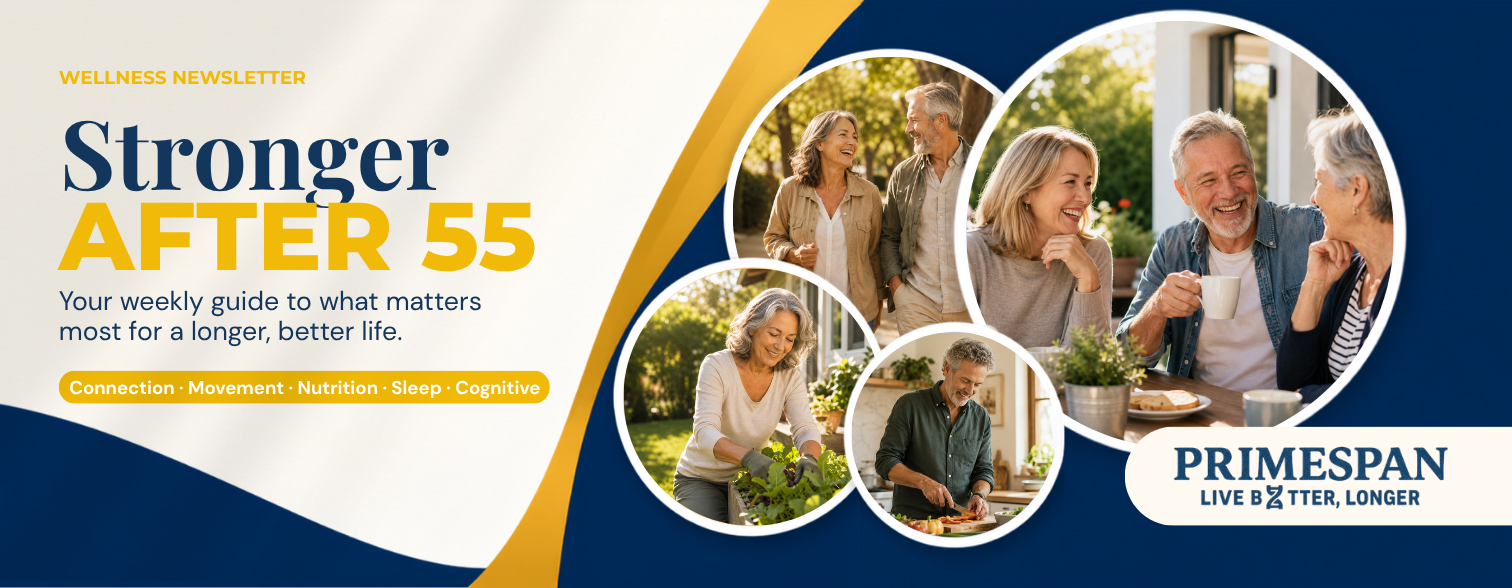
Movement: The Brain’s High-Octane Fuel When we talk about movement, we aren’t just talking about the gym or a rigid exercise regimen. For the aging brain, movement is "fuel" in its most literal sense. It’s about increasing the blood flow that delivers oxygen to the prefrontal cortex, the area responsible for high-level thinking. This includes "non-exercise" activity—the gardening that requires you to squat and reach, or the "walk and talk" with a friend that forces your brain to navigate terrain while processing conversation. This physical engagement is what provides the mental clarity that allows us to feel truly present.
Sleep: The Brain’s Essential Maintenance Window Think of sleep not as a period of inactivity, but as the brain’s nightly maintenance crew. While you rest, your brain is busy "clearing the mental desk," processing the day’s information and flushing out the cellular debris that accumulates during waking hours. Without this restorative window, the other pillars of health struggle to take hold. It is the very bedrock of a functional lifestyle structure.
"Brain health after 55 is supported by more than puzzles."
Learning: Forging New Paths in Your PrimeSpan To maintain what we call a PrimeSpan—that intentional period of life where your cognitive health and lifestyle choices are perfectly aligned—you must remain a student. There is a profound difference between repetitive tasks and genuine learning. Doing the same level of Sudoku every day is a rote memory exercise; learning a new language or picking up a musical instrument is a cognitive revolution. These "new challenges" force the brain to build new neural pathways, creating a reserve of mental agility that simple games cannot replicate.
The Social Engine: A Real-Time Cognitive Workout Human interaction is perhaps the most underrated cognitive stimulant. Think of the "load" your brain carries during a lively dinner party: you are reading non-verbal cues, anticipating a speaker’s point, and formulating a witty response—all in real-time. This social engine keeps the mind vibrant by demanding high-speed processing and emotional intelligence. Isolation is the enemy of vitality; meaningful connection is the spark that keeps the cognitive gears turning.
Purpose: The Non-Medical Fuel for Vitality Purpose is the "why" that powers the aging brain. In the field of gerontology, we see time and again that a sense of mission—whether through mentoring, volunteering, or even a dedicated creative project—acts as a non-medical shield against cognitive stagnation. Having a reason to get up in the morning provides a psychological framework that signals to the brain that its work is not yet done. It is the fuel that prevents us from simply "coasting."
Routine: The Delivery System for Longevity If the other keys are the ingredients, routine is the recipe. We often view "routine" as boring, but in the context of brain health, it is your delivery system. A structured daily life ensures that movement, social connection, and learning aren't just things you "hope" to do, but things you actually do. By automating these healthy habits into a daily rhythm, you reduce decision fatigue, allowing your brain to save its energy for the creative and purposeful tasks that make life worth living.
A New Blueprint for Longevity
Cognitive health is not a matter of luck or a passive result of good genes; it is an active, daily project. By weaving together movement, sleep, learning, connection, purpose, and routine, you create a lifestyle structure that supports a vibrant and enduring mind. This is the promise of a well-lived PrimeSpan: a life where you don't just age, but continue to evolve.
Which of these six pillars will you choose to anchor your day today?
To learn more about optimizing your cognitive health and to join a community dedicated to a vibrant future, follow or join PrimeSpan today.

Responses