STRONGER AFTER 55: Can You Reduce Your Risk of Alzheimer’s Naturally?
Over the years working with older adults, families, and healthcare teams, one question comes up again and again:
“Is there anything I can actually do now to protect my brain later?”
It’s rarely asked casually. It usually comes from a deeper place — a quiet fear of losing memory, independence, and a sense of self.
For a long time, many people believed brain health was mostly determined by genetics or luck. Something that would either happen… or not.
But that perspective is changing.
We now understand something important: while we cannot control everything, the environment we create for our brain through our daily habits matters more than we once thought.
And that changes the conversation.
This Week’s Question
Can you reduce your risk of Alzheimer’s naturally?
Most people want a clear, simple answer.
The honest answer is this: we cannot guarantee prevention. But a growing body of research shows that lifestyle can influence risk.
That shift — from certainty to influence — is where real opportunity exists.
Why This Question Matters
This question matters because Alzheimer’s is not just a medical condition. It is deeply personal.
People are not just afraid of memory loss. They are afraid of losing independence, losing clarity, and losing control of their own life.
It also matters because many people feel powerless. They assume brain decline is inevitable, something that simply comes with age.
But large-scale research is showing a more hopeful and more nuanced reality.
The 2024 Lancet Commission estimates that up to 45% of dementia cases may be linked to modifiable risk factors — things like physical inactivity, high blood pressure, diabetes, smoking, social isolation, and hearing loss.
That does not mean we control everything.
But it does mean the story is not fixed.
What the Science Shows
The research is not pointing to a single solution. It is pointing to a pattern.
First, brain health is deeply connected to body health. What affects the heart also affects the brain. Blood pressure, blood sugar, and cholesterol all shape the environment the brain depends on to function over time.
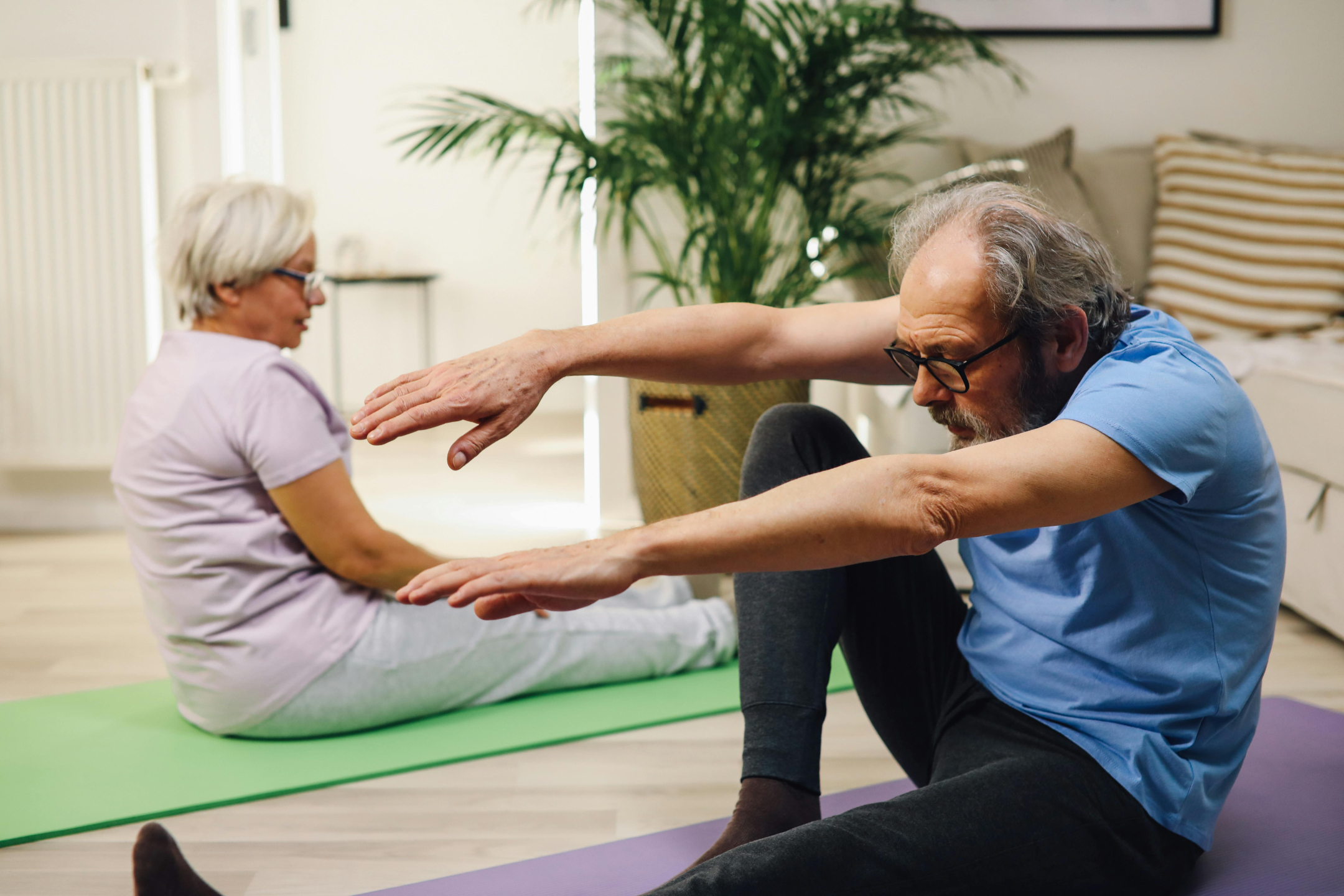
Second, movement plays a central role. Regular physical activity supports blood flow, metabolic health, and overall brain function.
Third, lifestyle works best as a system, not in isolation. Studies like the FINGER trial show that combining exercise, nutrition, cognitive activity, and medical management is more effective than focusing on one area alone.
And finally, consistency matters more than intensity. The brain benefits from patterns that are repeated over time, not short bursts of effort.
The takeaway is simple: it is not one habit that protects the brain. It is the pattern you repeat.
What This Means for Everyday Life
This changes how we should think about brain health.
It is not about finding the perfect diet, the best supplement, or the newest protocol.
It is about building an environment that supports the brain every day — through movement, sleep, nutrition, social connection, and mental engagement.
Not perfectly, but consistently.
Most people do not struggle because they lack information. They struggle because they lack structure.
And without structure, even the best intentions fade.
A Small Step This Week
You do not need to change everything at once.
Choose one or two actions you can realistically repeat this week:
Take a brisk walk three times
Check your blood pressure, blood sugar, or cholesterol
Add one brain-supportive meal
Prioritize one earlier night of sleep
Call someone instead of isolating
Spend 20 minutes learning something new
The goal is not intensity.
The goal is repetition.
Closing Reflection
One of the most important shifts in aging science is this:
We are no longer only talking about decline. We are talking about influence.
We may not control every outcome, but we are not powerless.
Aging well is rarely the result of one big decision. It is the result of small habits, repeated over time, that strengthen the systems we depend on most.
The questions we ask today shape how we age tomorrow.
PrimeSpan
At PrimeSpan, we explore the science and habits that help adults over 55 stay strong, independent, and mentally sharp.
If this issue resonated with you, consider sharing it with someone who might benefit from the conversation.
Adam D.
Founder, PrimeSpan

Responses